
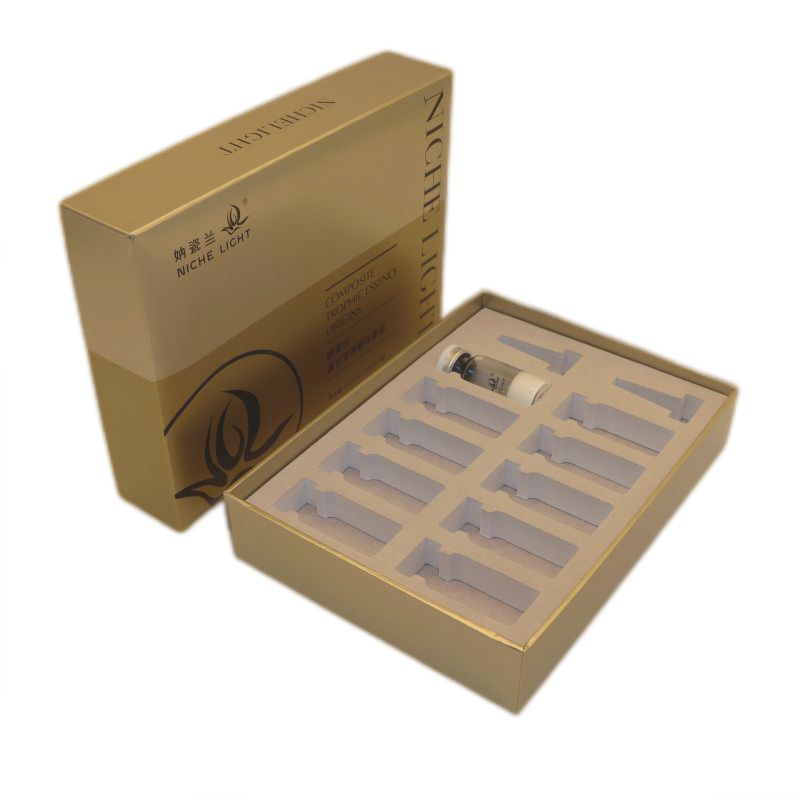
In today’s fast-paced world of manufacturing and logistics, understanding the standards and methods of measuring boxes is crucial for businesses and consumers alike. Proper measurement not only ensures efficient use of space and materials but also facilitates smoother shipping processes and accurate billing. This article delves into how boxes are measured, highlighting industry practices and providing insights derived from a prominent packaging manufacturer based in Dongguan City, Guangdong Province.
**Understanding Box Measurement: The Basics**
When we talk about measuring boxes, the focus is typically on three dimensions: length, width, and height. These dimensions are measured in either centimeters or inches, depending on regional preferences. The length usually refers to the longest side of the box, the width to the next longest side perpendicular to the length, and the height is the dimension from the bottom to the top of the box.
For rectangular or square boxes, measuring these three dimensions might seem straightforward. However, variations in box shapes — such as cylindrical tubes, specialty packaging, or irregular shapes — require different approaches to capture the precise packaging size.
**Why Accurate Measurement Matters**
Accurate box measurements are more than just numbers on paper. For manufacturers, correct dimensions optimize the creation of boxes that fit products perfectly, minimizing material waste and protecting contents during transit. For shipping companies, accurate measurements ensure that freight is calculated correctly, avoiding unexpected costs or delays caused by mis-measurement.
In e-commerce, where packaging efficiency can directly influence shipping costs and customer satisfaction, understanding and standardizing box measurements is essential.
**Industry Standards for Box Measurement**
Generally, the industry follows the “Length x Width x Height” standard for recording box dimensions. It is recommended to use the inside dimensions for accurate packing purposes, as they represent the actual space available for contents.
Box volume, which is the product of length, width, and height, determines the space the box occupies and is important when calculating shipping fees, especially in air freight where volumetric weight is used.
**Case Study: Insights from Yinji Paper Products Factory**
Located in Huangjiang Town, Dongguan City, Guangdong Province, Yinji Paper Products Factory stands as a paragon of expertise in the paper printing and packaging industry. Covering an area of 15,000 square meters and employing over 200 skilled workers, the factory specializes in producing a vast range of paper packaging products tailored to meet diverse client needs.
**Yinji’s Approach to Box Measurement**
At Yinji, precision in measurement is a foundational principle ingrained throughout the manufacturing process. Before production, the design team collaborates closely with clients to determine the exact dimensions required for each custom packaging solution. This collaborative approach ensures that boxes are created to specification, reducing errors and ensuring product safety.
Yinji’s quality control team employs modern measuring tools capable of delivering high accuracy. Both internal and external dimensions are meticulously checked to guarantee consistency. Moreover, the factory utilizes standardized templates and molds to maintain uniformity across production batches.
**Technological Integration**
The company incorporates advanced CAD (Computer-Aided Design) software to model packaging designs digitally. This not only allows for precise measurement but also enables visualization of how products will fit within the packaging. Through digital simulation, potential packaging inefficiencies can be identified and corrected before physical prototypes are produced.
Additionally, Yinji implements automated measurement systems on its production lines. These systems detect any deviations in box size in real-time, promptly alerting operators to make necessary adjustments—a practice that minimizes wastage and ensures product quality.
**Sustainability Through Proper Measurement**
One of the noteworthy aspects of Yinji’s operation is its commitment to sustainability. By ensuring boxes are measured and produced accurately, the factory reduces material waste significantly.
Over-sized packaging not only uses more material but also wastes space during shipping, increasing the carbon footprint. Conversely, undersized packaging risks product damage, potentially generating returns and additional shipments. Yinji’s precise measurement practices strike a balance that optimizes resource use and environmental responsibility.
**Applications Across Industries**
The measurement expertise at Yinji enables the factory to cater to a wide variety of industries—ranging from electronics, cosmetics, food and beverage, to luxury goods—each with unique packaging requirements. For instance, fragile electronics demand boxes with additional cushioning measurements, while food packaging may focus on dimensions that comply with regulatory standards for storage and transport.
**Tips for Measuring Boxes Correctly**
Drawing from industry best practices and Yinji’s operational protocols, here are some practical tips for measuring boxes accurately:
1. Use a sturdy measuring tool such as a steel ruler or tape measure.
2. Measure the inside dimensions where possible to understand usable space.
3. Record dimensions starting with length (the longest side), then width, then height.
4. For irregular shapes, measure the largest dimensions to accommodate the product.
5. Allow for material thickness if the box must fit inside another container.
6. Double-check measurements to avoid errors in manufacturing or shipping.
**Conclusion**
The art and science of box measurement might seem simple at first glance, but as highlighted by the practices at Yinji Paper Products Factory, precision and standardization are key to delivering quality packaging solutions. Accurate measurement not only ensures product protection and cost-efficiency but also supports sustainability goals across supply chains.
As the packaging industry continues to evolve with technological advancements and increasing environmental awareness, enterprises like Yinji set a strong example of how meticulous measurement and thoughtful manufacturing can drive success and innovation. Whether you are a business owner selecting packaging or a logistics expert managing shipments, understanding how boxes are measured will empower you to make informed decisions and foster smoother operations.